
Movies
Gldyql: The Ultimate Guide to Understanding Its Power and Potential


Have you ever wondered about tools or concepts that can truly transform the way we approach our daily tasks and challenges? Gldyql is one such concept, quickly gaining attention in multiple fields for its versatility and potential. Whether you’re a professional, a student, or simply curious, understanding Gldyql could open doors you never knew existed. This guide dives deep into everything you need to know.
What Is Gldyql?
Gldyql is more than just a term; it represents a unique approach or tool designed to enhance efficiency, productivity, and understanding. While the name might sound futuristic, its principles are grounded in practical applications that anyone can leverage. Essentially, Gldyql acts as a bridge between complex tasks and simple solutions, offering clarity and actionable insights.
Read More: Trinou: Redefining Smart Digital Innovation
History and Origins of Gldyql
The origins of Gldyql trace back to experimental frameworks in technology and behavioral science. Initially used in small-scale research projects, it quickly proved its adaptability across industries. Over time, developers and researchers refined Gldyql to meet modern needs, making it relevant today for both personal and professional use.
How Gldyql Works
At its core, Gldyql functions by integrating multiple layers of data and behavior patterns to produce actionable outcomes. Think of it as a translator between complex information and user-friendly solutions. Whether it’s analyzing trends, predicting outcomes, or simplifying processes, Gldyql makes intricate systems more understandable.
Key Benefits of Using Gldyql
The advantages of Gldyql are extensive. First, it significantly boosts productivity by streamlining processes that typically require time-consuming effort. Second, it improves decision-making by offering insights grounded in data. Third, Gldyql fosters creativity by freeing mental bandwidth, allowing users to focus on innovation rather than logistics.
Gldyql in Everyday Life
You don’t have to be a tech wizard to benefit from Gldyql. From organizing personal schedules to enhancing learning techniques, Gldyql finds applications in everyday life. Students can use it to study more efficiently, professionals to manage tasks, and families to coordinate activities—all without feeling overwhelmed.
Scientific Research on Gldyql
Several studies have examined Gldyql’s efficacy, especially in enhancing cognitive performance and task management. Researchers highlight its ability to reduce mental clutter and improve focus. Experimental trials show that consistent use of Gldyql leads to measurable improvements in productivity and decision-making efficiency.
Gldyql vs. Other Similar Tools
While there are many productivity and analytical tools on the market, Gldyql stands out for its adaptability and holistic approach. Unlike single-purpose apps, it integrates multiple functionalities, offering a seamless experience. Its predictive capabilities and user-friendly interface also differentiate it from other tools.
Common Misconceptions About Gldyql
One major misconception is that Gldyql is only for professionals or tech-savvy individuals. In reality, it’s designed for universal application. Another myth is that it replaces human intuition. Gldyql complements human decision-making, enhancing judgment rather than overriding it.
Tips for Maximizing Gldyql’s Potential
To get the most out of Gldyql, start by defining clear objectives. Focus on tasks that genuinely benefit from structured analysis. Regularly update data inputs and monitor outcomes to refine usage. Think of Gldyql as a personal assistant that learns and grows with you—it becomes more effective over time.
Case Studies and Success Stories
Across industries, Gldyql has demonstrated remarkable success. In education, students report improved learning efficiency and retention. In business, teams using Gldyql have streamlined workflow and achieved faster project completion. These examples showcase its versatility and practical impact.
Potential Risks and Safety Measures
Like any tool, Gldyql is not without risks. Overreliance may lead to reduced critical thinking if users fail to engage actively. Data privacy is another concern, requiring proper measures to secure information. Awareness and balanced usage are key to harnessing Gldyql safely and effectively.
Future of Gldyql
The potential of Gldyql continues to grow as technology evolves. Integration with artificial intelligence, enhanced predictive capabilities, and broader accessibility are on the horizon. Experts predict that Gldyql will become an essential part of productivity and analytical strategies worldwide.
How to Get Started With Gldyql
Starting with Gldyql is straightforward. Begin with small, manageable projects to understand its functionality. Explore tutorials, join communities, and gradually expand usage. By adopting a hands-on approach, you can quickly experience tangible benefits and integrate Gldyql seamlessly into your routine.
Conclusion
Gldyql is a powerful tool designed to simplify complexity and enhance productivity. Its practical applications, combined with flexibility and adaptability, make it a must-know concept in today’s fast-paced world. Whether you are aiming to improve personal efficiency or professional performance, embracing Gldyql can unlock new levels of success and insight.
Read More: Pollaste: The Essential Guide to Modern Tech Enthusiasts
FAQs
1. Is Gldyql suitable for beginners?
Yes, Gldyql is designed to be user-friendly, allowing beginners to adopt it without technical expertise.
2. Can Gldyql replace human decision-making?
No, it complements human judgment, providing data-driven insights without replacing intuition.
3. What industries benefit most from Gldyql?
Education, business management, technology, and personal productivity are just a few areas where Gldyql excels.
4. How do I ensure data safety while using Gldyql?
Use encrypted storage, secure networks, and regularly update software to protect sensitive information.
5. What makes Gldyql different from other productivity tools?
Its adaptability, predictive capabilities, and integration of multiple functionalities set it apart from traditional single-purpose tools.
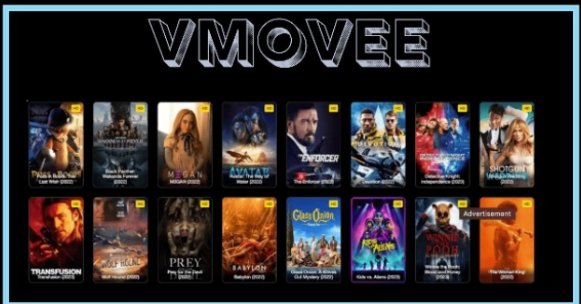
Streaming has changed how we watch movies and series. Instead of waiting for downloads, viewers now expect instant access. During casual searches for free entertainment, many people stumble across vmovee and feel tempted to try it. At first glance, it looks simple and convenient. However, streaming from unofficial platforms can raise questions about safety, legality, and privacy. Before diving in, it helps to understand how these sites actually work.
What Is vmovee and Why Is It Popular
vmovee is widely recognized as an online streaming website that offers free access to movies and television shows. Users do not need subscriptions or paid accounts. This easy access attracts viewers who want quick entertainment without monthly fees. The site usually organizes content by genre, release year, or popularity, making browsing feel straightforward.
Its popularity also stems from convenience. Many titles appear shortly after release, sometimes even before they reach certain regions through official platforms. For viewers who dislike waiting or paying for multiple services, that immediate availability feels appealing. A few clicks can start playback without registration, which lowers the barrier to entry.
However, popularity does not always equal reliability. Free streaming websites operate differently from licensed services. They often rely on third party hosting providers and advertising networks. Understanding this structure is essential because it directly affects user safety and content legitimacy.
How Free Streaming Platforms Actually Work
Most unofficial streaming sites do not store movies on their own servers. Instead, they embed video players that pull content from external hosts. When a user clicks play, the file streams from another location. This layered setup allows platforms to avoid directly hosting copyrighted material.
Revenue typically comes from advertisements. Popups, banner ads, and redirect links generate income through traffic volume. The more visitors a site attracts, the more advertising revenue it earns. This explains why free platforms often display aggressive ads or multiple redirect pages before playback begins.
Because hosting and advertising networks vary, quality and safety are inconsistent. One video might stream smoothly, while another may buffer constantly. In some cases, clicking the wrong button can lead to suspicious download prompts. Without regulation, there is no guarantee of stability or protection.
Legal Considerations Around vmovee
Streaming copyrighted content without proper licensing can fall into a legal gray area depending on your country. In many regions, distributing or accessing unauthorized content violates copyright laws. While enforcement differs, users should not assume anonymity guarantees safety.
Internet service providers sometimes monitor suspicious traffic patterns. Repeated access to unofficial streaming domains can trigger warnings. Even if no immediate penalty occurs, the possibility of tracking exists. That uncertainty alone can create unnecessary stress for viewers who simply want to relax.
Beyond legal risk, there is an ethical dimension. Film studios, writers, actors, and production crews depend on revenue from licensed platforms. When viewership shifts to unlicensed sources, financial returns decline. Supporting official releases helps sustain creative industries and future productions.
Security Risks You Should Not Ignore
Security remains one of the biggest concerns with free streaming websites. Advertisements displayed on such platforms are not always carefully screened. Some may contain malicious scripts that attempt to install unwanted software or redirect users to phishing pages.
Malware infections often begin with a single careless click. A fake update message or misleading play button can trigger harmful downloads. Once installed, malicious software may steal passwords or slow down your device. Fixing these issues can cost far more than a subscription fee.
Using strong antivirus software reduces risk but does not eliminate it entirely. Browsers and extensions can block some threats, yet vulnerabilities remain. The safest approach involves limiting exposure to unverified websites altogether. Prevention always works better than damage control.
Privacy Concerns Linked to vmovee
Privacy is another factor many viewers overlook. Free streaming platforms often rely on advertising networks that track user behavior. Data collection may include browsing habits, device type, and approximate location. Over time, this information builds a digital profile without explicit consent.
In some cases, streaming sites request permission for notifications. Accepting these prompts can lead to persistent popups even after leaving the page. These notifications sometimes promote questionable offers or additional downloads. Managing such permissions can become frustrating.
Even without direct downloads, background scripts may run during playback. These scripts can gather usage data or redirect traffic through multiple servers. While not every site engages in harmful practices, the lack of transparency increases uncertainty for regular users.
Why Many Users Still Choose Unofficial Streaming
Despite risks, demand for free entertainment remains strong. Subscription fatigue is real. Paying separately for services like Netflix, Amazon Prime Video, and Disney+ can add up quickly. For viewers on tight budgets, free platforms appear attractive.
Regional restrictions also play a role. Some shows or movies are unavailable in certain countries due to licensing agreements. Viewers who feel excluded search for alternative options. Frustration with geo limitations often pushes people toward unofficial streaming sources.
There is also a perception of low risk. Many users assume streaming is safer than downloading because no file remains on their device. While this reduces storage concerns, it does not remove exposure to malware or tracking. The risk simply shifts to a different form.
Safer Ways to Enjoy Movies Online
Legal streaming services offer consistent quality and stronger security. Licensed platforms invest in encryption and user data protection. Payment may feel inconvenient, but it ensures stable playback and legal peace of mind. Content libraries also update regularly with high resolution versions.
Some services provide affordable mobile plans or student discounts. Others offer limited free tiers supported by ads but fully licensed. Exploring these options can balance cost and safety. Libraries and national broadcasters sometimes host films online without subscription fees.
Renting or purchasing individual titles can also be practical. Instead of maintaining multiple subscriptions, viewers can pay only for specific releases. This approach controls spending while supporting creators. Over time, mindful choices reduce risk and maintain access to quality entertainment.
Conclusion
vmovee may seem convenient at first glance. Free access and quick playback attract many viewers searching for easy entertainment. However, the hidden layers of legal uncertainty, privacy exposure, and potential malware cannot be ignored. What appears cost free often carries indirect costs.
Making informed decisions protects both your device and your peace of mind. Legal platforms provide predictable quality, transparent policies, and stronger safeguards. While they require payment, they eliminate many of the worries linked to unofficial streaming.
Ultimately, entertainment should feel relaxing, not risky. Understanding how vmovee operates helps you weigh short term convenience against long term security. When safety and responsibility guide your choices, streaming becomes a far more enjoyable experience.

Hdmivies5 is a name that frequently appears when people search for free online movie streaming platforms, especially users who want quick access to the latest films without complicated sign-ups or subscriptions, and this curiosity-driven popularity has made it a widely discussed term across search engines and online forums.
What Is Hdmivies5
Hdmivies5 is commonly described as a free movie streaming or downloading website that claims to offer a wide range of films, TV shows, and web series, usually including Hollywood, Bollywood, and regional content, all accessible through a browser-based interface without requiring payment.
Why Hdmivies5 Is Gaining Attention
The main reason Hdmivies5 attracts so much attention is simple convenience, because users are always looking for fast and free entertainment options, and platforms that promise instant access to trending movies naturally spark interest among budget-conscious viewers.
User Experience on Hdmivies5
From a user perspective, Hdmivies5 is often designed with a simple layout, basic categories, and search functionality, making it easy even for non-technical users to browse content and find movies without spending much time learning how the site works.
Content Categories Available
Hdmivies5 usually organizes its content into categories such as latest releases, genre-based sections, language-based collections, and popular downloads, which helps users quickly locate the type of entertainment they are in the mood for.
Video Quality and Formats
One of the appealing factors often mentioned about Hdmivies5 is the availability of multiple video qualities, ranging from low-resolution formats for slow internet connections to HD options, giving users flexibility depending on their device and bandwidth.
Mobile and Desktop Accessibility
Hdmivies5 is typically accessed through web browsers on both mobile phones and desktop computers, which means users do not need dedicated apps, and this browser-based accessibility increases its reach among users with different devices.
How People Find Hdmivies5
Most users discover Hdmivies5 through search engines, social media discussions, or word-of-mouth recommendations, especially when they search for terms related to free movie streaming or newly released films.
Legal Concerns Around Hdmivies5
A major concern associated with Hdmivies5 is legality, because platforms offering copyrighted content for free often operate without proper licensing, which can lead to legal risks for both website operators and users in certain countries.
Copyright and Digital Rights
Copyright laws are designed to protect creators and distributors, and when websites like Hdmivies5 distribute movies without permission, it directly impacts the film industry and may violate digital rights management regulations.
Security Risks for Users
Using sites like Hdmivies5 can sometimes expose users to security risks, including intrusive ads, pop-ups, or malicious links, which can compromise personal data or harm devices if proper precautions are not taken.
Privacy Issues to Consider
Privacy is another important factor, because free streaming sites may track user activity or redirect traffic to third-party pages, making it essential for users to be cautious about sharing any personal information online.
Why Users Still Choose Hdmivies5
Despite the risks, many users continue to visit Hdmivies5 because it offers instant entertainment without financial commitment, and for some people, the appeal of free access outweighs concerns about legality or security.
Comparison With Legal Streaming Platforms
When compared to legal platforms like Netflix or Amazon Prime, Hdmivies5 lacks official support, consistent quality, and guaranteed safety, but it competes by offering free access, which remains its strongest attraction.
Impact on the Entertainment Industry
Free streaming platforms such as Hdmivies5 can negatively impact the entertainment industry by reducing revenue for filmmakers, actors, and production teams, which ultimately affects the quality and sustainability of future content.
Ethical Perspective on Free Streaming
From an ethical point of view, consuming content through unofficial platforms raises questions about fairness and respect for creative work, as creators rely on legitimate views and purchases to earn a living.
Safer Alternatives to Hdmivies5
Users who want safer options can explore free but legal platforms such as ad-supported streaming services, public-domain movie websites, or trial versions of premium platforms that offer high-quality content without legal issues.
Tips for Staying Safe Online
If someone chooses to explore sites like Hdmivies5, basic safety measures such as using updated browsers, avoiding suspicious downloads, and enabling security tools can help reduce potential risks, although no method guarantees full protection.
The Role of VPNs and Browsers
Some users rely on VPNs or privacy-focused browsers when visiting free streaming sites, mainly to protect identity and location, but it is important to understand that these tools do not make illegal activity legal.
Search Trends Around Hdmivies5
Search trends indicate that interest in Hdmivies5 spikes around major movie releases, showing how closely online streaming behavior is tied to current entertainment trends and audience demand.
Future of Free Streaming Sites
The future of platforms like Hdmivies5 remains uncertain, as governments and copyright holders continue to tighten regulations, leading to frequent domain changes or shutdowns of such websites.
Why Awareness Matters
Understanding how platforms like Hdmivies5 operate helps users make informed decisions, balancing entertainment needs with legal, ethical, and security considerations in the digital world.
Conclusion
Hdmivies5 represents the growing demand for easy and free access to entertainment, but it also highlights the challenges surrounding legality, security, and ethics in online streaming, and while it may seem convenient on the surface, informed users should carefully weigh the risks and consider safer, legal alternatives for long-term peace of mind.
FAQs
Is Hdmivies5 legal to use
Hdmivies5 is generally considered unofficial, and its legality depends on local copyright laws, which means users should check regulations in their country before accessing such platforms.
Can Hdmivies5 harm my device
There is a risk of harmful ads or malicious links on free streaming sites, so devices may be exposed to security threats if users are not cautious.
Does Hdmivies5 require registration
Most versions of Hdmivies5 do not require registration, which is part of its appeal, but this also means there is little accountability or user protection.
Are there legal free movie websites
Yes, there are legal platforms offering free movies supported by ads or public-domain content, which are safer alternatives to unofficial sites.
Why do people still search for Hdmivies5
People continue to search for Hdmivies5 because it promises free and instant access to popular movies, especially for users who want entertainment without subscription fees.

MoviesFizz has emerged as a popular digital platform for movie enthusiasts worldwide. With a vast library of films, TV shows, and web series, it caters to diverse audiences seeking convenient entertainment. The platform is designed to provide seamless streaming experiences, offering users easy access to both classic and latest content. Its growing popularity stems from a user-friendly interface, diverse content library, and innovative features that enhance the viewing experience.
History and Evolution of MoviesFizz
MoviesFizz started as a modest platform focusing on a limited selection of films. Over the years, it has evolved into a comprehensive entertainment hub, hosting thousands of titles across genres. Continuous updates, user feedback, and technological advancements have allowed MoviesFizz to stay competitive in the fast-paced streaming industry. Its evolution reflects the increasing demand for digital platforms that combine convenience, variety, and accessibility for global audiences.
Read More: EuroYungs Com — Europe’s Youth Culture Hub
Core Features of MoviesFizz
MoviesFizz offers several features that distinguish it from other streaming platforms. It provides high-definition streaming, user-friendly navigation, personalized recommendations, and multi-device compatibility. Users can create watchlists, bookmark favorites, and receive updates on new releases. The platform also emphasizes minimal buffering and smooth playback, ensuring a satisfying and immersive viewing experience for users across the globe.
MoviesFizz in Entertainment Industry
MoviesFizz has had a significant impact on the entertainment industry. By providing a platform that reaches global audiences instantly, it helps filmmakers and content creators showcase their work more efficiently. Independent films, documentaries, and regional cinema gain visibility alongside mainstream movies. This democratization of content allows diverse storytelling, enabling creators to reach audiences that traditional distribution channels may not have covered.
User Experience and Interface
The user experience on MoviesFizz is intuitive and engaging. The platform features a clean design with easy navigation, categorized genres, and a search function that quickly locates content. Interactive elements, such as ratings, reviews, and personalized suggestions, enhance engagement. By prioritizing user-friendly design, MoviesFizz ensures that both tech-savvy users and beginners can access and enjoy content effortlessly.
Streaming Quality and Performance
One of MoviesFizz’s standout features is its streaming quality. It offers multiple resolutions, from standard to full HD, adapting to internet speed and device capability. The platform ensures minimal buffering, fast loading times, and uninterrupted playback. These performance features make MoviesFizz an attractive choice for users who prioritize seamless streaming, especially for binge-watching sessions or live premieres.
MoviesFizz for Different Devices
MoviesFizz supports a wide range of devices, including smartphones, tablets, smart TVs, and computers. Cross-platform compatibility allows users to watch content anytime, anywhere, without compromising quality. Features like screen mirroring and adaptive resolution further enhance the viewing experience. This device flexibility ensures that MoviesFizz caters to modern audiences accustomed to on-the-go entertainment.
Content Library and Genres
The content library of MoviesFizz is vast and diverse. It includes films, series, documentaries, and animated features across genres like action, drama, romance, comedy, thriller, and sci-fi. Regularly updated content ensures that users always have access to the latest releases, while classic films and cult favorites offer nostalgic entertainment. This diversity makes MoviesFizz a one-stop platform for viewers of all ages and preferences.
Personalization and Recommendations
MoviesFizz uses advanced algorithms to personalize user experiences. By analyzing viewing history, preferences, and ratings, it suggests content tailored to individual tastes. Personalized recommendations help users discover new genres and titles they might otherwise overlook. This personalization fosters prolonged engagement and makes the platform feel curated specifically for each user.
Safety and Privacy
In today’s digital landscape, safety and privacy are paramount. MoviesFizz implements secure login systems, encrypted streaming, and privacy safeguards to protect user data. By ensuring compliance with data protection standards, the platform provides a secure environment where users can enjoy content without concerns about personal information leakage.
Subscription Plans and Accessibility
MoviesFizz offers flexible subscription models, including free and premium tiers. Free access often includes limited content with ads, while premium plans provide ad-free experiences, early access to releases, and enhanced streaming quality. This accessibility ensures that a wide range of users, regardless of budget, can benefit from the platform’s offerings while choosing a plan that fits their needs.
Community and Reviews
MoviesFizz encourages user engagement through ratings, reviews, and community discussions. Users can share opinions, recommend movies, and participate in discussions about content. This community-driven approach enriches the platform’s value, helping viewers make informed choices and fostering a sense of connection among movie enthusiasts.
Challenges and Limitations
Despite its advantages, MoviesFizz faces some challenges. High demand may occasionally lead to server slowdowns, and certain regional restrictions can limit access. Additionally, the reliance on internet speed affects streaming quality for some users. Being aware of these limitations helps users optimize their experience, such as choosing the right subscription tier or upgrading internet connectivity.
Future of MoviesFizz
The future of MoviesFizz appears promising, with plans to integrate more interactive features, AI-based content recommendations, and global partnerships for content acquisition. Expansion into virtual reality (VR) and augmented reality (AR) experiences is also on the horizon, potentially revolutionizing the way users engage with entertainment. Staying updated ensures users enjoy the latest innovations and features as the platform grows.
Tips for Optimizing MoviesFizz Experience
To maximize the MoviesFizz experience, users should utilize features like personalized recommendations, watchlists, and device compatibility options. Maintaining a stable internet connection, exploring diverse genres, and engaging with the community enhances overall satisfaction. Regularly updating the app ensures access to the newest features, performance improvements, and content additions.
Conclusion
MoviesFizz is a versatile and user-friendly streaming platform that provides a seamless entertainment experience. With a vast content library, personalized recommendations, multi-device support, and secure streaming, it caters to a global audience seeking convenience and high-quality viewing. By leveraging its features strategically, users can enjoy diverse, engaging, and uninterrupted entertainment, making MoviesFizz a top choice for digital streaming.
Read More: Tsunaihaiya: Meaning, Origins & Significance
FAQs
1. What is MoviesFizz?
MoviesFizz is a digital streaming platform offering movies, TV shows, web series, and documentaries globally.
2. Can I use MoviesFizz on multiple devices?
Yes, MoviesFizz supports smartphones, tablets, smart TVs, and computers for seamless streaming.
3. Is MoviesFizz free to use?
MoviesFizz offers both free and premium subscription plans, with premium providing ad-free and enhanced streaming.
4. How does MoviesFizz recommend content?
It uses algorithms analyzing viewing history, preferences, and ratings to suggest personalized content.
5. Is MoviesFizz safe and secure?
Yes, MoviesFizz implements encryption, secure login systems, and privacy measures to protect user data.
-
 General3 months ago
Adonismale: The Ultimate Guide to the Modern Male Aesthetic
-
 Entertainment3 months ago
Kirby Dedo: Meaning, Meme & Finger Puppet Trend
-
 Blog3 months ago
Candizi: Sweet Innovation for Modern Living
-
 Tech3 months ago
ComicsArmy: Your Complete Guide to Free Comics & Safe Reading
-
 Health3 months ago
Health Threetrees Com VN: Your Online Health Guide
-
 Entertainment3 months ago
Echostreamhub — Stream Smarter
-
 Health3 months ago
Insoya: Next-Gen Soy Protein for Health & Sustainability
-
 Business & Finance3 months ago
Awius: Earned-Wage Access, Uses & Benefits