
Blog
The Ultimate Guide to Wat Wax: Types, Uses, and Benefits

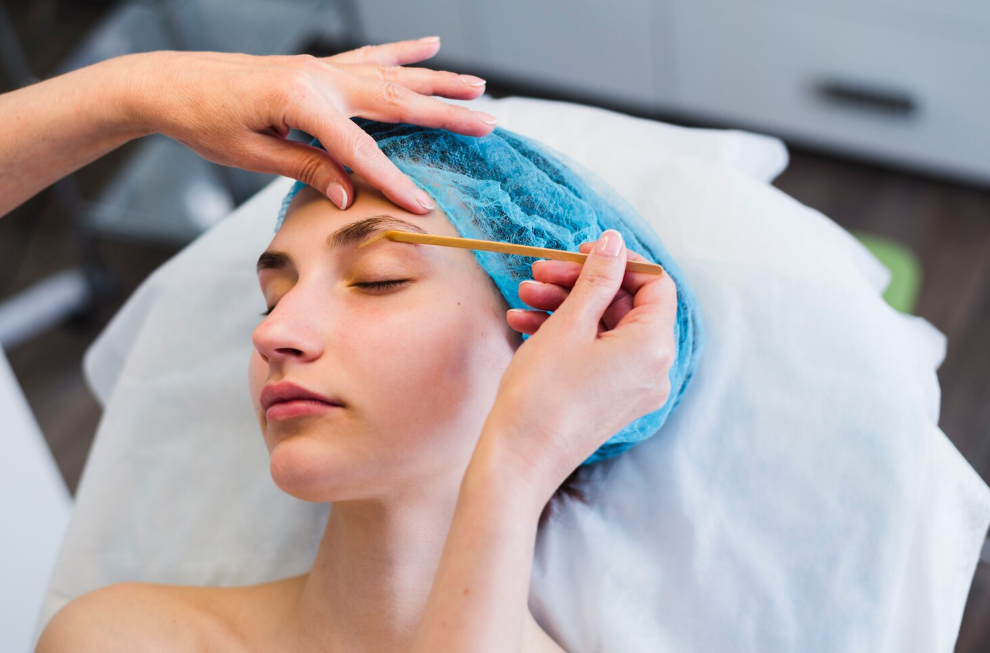
The phrase “Wat Wax” is commonly interpreted as “What Wax,” referring to the different types of wax used in various industries such as beauty, skincare, automotive care, and home fragrances. Wax plays a significant role in our daily lives, whether we notice it or not. From hair removal treatments to candle making and car polishing, different waxes serve different purposes. This guide explores every major type of wax, how it works, and the advantages of using the right one for your needs.
The Importance of Choosing the Right wat wax
Selecting the correct wax is essential because each type has distinct properties. Using the wrong wax can lead to skin irritation, product damage, ineffective results, or overall dissatisfaction. Understanding each wax’s melting point, texture, ingredients, and application helps you achieve the best outcome. Whether you are removing body hair, protecting your car’s paint, or making high-quality candles, choosing wisely ensures safety, efficiency, and a smooth experience.
Read More: Masgonzola: Exploring the Origins, Uses, and Cultural Significance of a Unique Term
Natural Wax vs Synthetic wat wax
Natural and synthetic waxes differ significantly. Natural waxes come from plants, insects, or minerals and are often hypoallergenic and eco-friendly. They include beeswax, soy wax, and palm wax. Synthetic waxes are human-made and are popular for industrial purposes because they provide consistency, durability, and high heat resistance. Understanding these categories helps determine the ideal wax for cosmetic, craft, or mechanical use.
Beeswax and Its Versatile Uses
Beeswax is one of the oldest and most versatile natural waxes. It is produced by honeybees and is known for its pleasant scent, smooth texture, and low melting point. Beeswax is commonly used in skincare products, lip balms, candles, and natural hair pomades. Its antibacterial properties make it ideal for healing balms, while its slow burning makes it a premium choice for high-end candles. Beeswax is also gentle on skin, making it safe for sensitive individuals.
Soy Wax and Eco-Friendly Applications
Soy wax is plant-based and derived from hydrogenated soybean oil, making it a sustainable and biodegradable option. It has become extremely popular for candle making because it burns cleanly, holds fragrance well, and has an attractive smooth finish. Unlike paraffin, soy wax does not release harmful chemicals, making it ideal for eco-conscious consumers. It is also commonly used in massage candles and cosmetic products due to its moisturizing abilities.
Paraffin wat wax and Its Industrial Value
Paraffin wax is widely used because it is inexpensive, versatile, and easy to work with. It is a petroleum-based wax commonly found in candles, crayons, polishes, and industrial coatings. Paraffin burns brighter and releases strong scents, which is why it dominates the candle industry. It is also used in beauty treatments such as paraffin wax dips, which soften dry or cracked skin. Despite being non-natural, its efficiency makes it a staple in many industries.
Hard Wax for Hair Removal
Hard wat wax is a popular choice in salons for removing coarse hair. It hardens upon cooling and grips hair without sticking to the skin, making it less painful than soft wax. This wax is ideal for sensitive areas such as the face, bikini line, and underarms. Hard wax applies thick, dries quickly, and pulls hair from the root, resulting in smoother skin for weeks. Its ability to reduce irritation makes it the preferred choice among professionals.
Soft Wax and Strip Waxing Techniques
Soft wax, also known as strip wax, remains the traditional method for large-area hair removal. The wax is applied thinly and removed with cloth or paper strips. It is highly effective on areas such as the legs, arms, back, and chest. Although it adheres more to the skin than hard wax, skilled technique reduces discomfort significantly. Soft wax removes even the finest hairs and leaves the skin feeling very smooth, making it a staple in the beauty world.
Sugar Wax for Natural Hair Removal
Sugar wax, also called sugaring paste, is a natural blend of sugar, lemon juice, and water. It provides one of the most gentle hair removal experiences, making it suitable for sensitive skin. Sugar wax is water-soluble, easy to clean, and less likely to cause ingrown hairs. It removes hair in the natural direction of growth, reducing breakage and discomfort. Sugaring is ideal for people seeking a natural, chemical-free option.
Car wat wax for Long-Lasting Paint Protection
Waxing a car is essential for maintaining its appearance and protecting its paint. Car waxes come in synthetic, natural, and hybrid forms. They create a protective barrier that shields the car’s surface from UV rays, dirt, moisture, and scratches. Regular waxing enhances shine, makes cleaning easier, and extends the life of the vehicle’s finish. Whether using paste wax, liquid wax, or spray wax, consistent waxing preserves the car’s value.
Synthetic wat wax for Durable Coating
Synthetic waxes are commonly used in automotive care, machinery maintenance, and manufacturing. They often last longer than natural waxes and are designed to withstand high temperatures and harsh environments. Synthetic options include polymer waxes and ceramic-infused products that provide long-lasting, high-gloss protection. Their durability makes them ideal for people seeking low-maintenance but effective waxing solutions.
Candle-Making Waxes and Their Features
Different waxes impact how candles burn, smell, and look. Paraffin offers strong scent throw, beeswax provides a natural aroma and bright flame, and soy wax gives an eco-friendly, slow-burning experience. Each wax type influences burn time, melting consistency, and fragrance retention. Understanding the properties of wax helps candle makers create better-quality products tailored to various preferences, from luxury candles to budget-friendly options.
Wax for Cosmetics and Skin Care
Wax is a common ingredient in skincare and beauty products because it provides structure, thickness, and moisture retention. Beeswax, carnauba wax, and candelilla wax are frequently found in lotions, lipsticks, balms, and moisturizers. These waxes offer protective barriers that lock in hydration and enhance the texture of the product. High-quality wax can make cosmetics smoother, longer-lasting, and more nourishing.
How to Choose the Best Wax for Your Needs
Choosing the best wax depends on your purpose. For hair removal, consider skin sensitivity and hair type. For candles, choose based on burn quality and environmental impact. For cars, consider durability and shine. Understanding the specific strengths of each wax type ensures better results and minimizes risks. Whether your priority is natural ingredients, performance, or affordability, each wax has a unique role to play.
Conclusion
wat wax is far more diverse and useful than most people realize. From beauty treatments to automotive care and craft making, each type of wax offers distinctive benefits and applications. Understanding “Wat Wax” — or which wax to use — helps you make informed decisions, save money, and achieve better results. Whether you’re protecting your skin, beautifying your home, or maintaining your car, the right wax makes all the difference.
Read More: Internetchocks: The Rising Trend in Digital Culture
FAQs
1. What is the safest wat wax for sensitive skin?
Sugar wax and hard wat wax are generally the most gentle on sensitive skin.
2. Which wax is best for car paint protection?
Synthetic polymer waxes and ceramic waxes offer the most durability.
3. Is soy wax better than paraffin wax?
Soy is more eco-friendly, while paraffin offers stronger fragrance throw.
4. What makes beeswax special in skincare?
Beeswax creates a natural moisture barrier and has antibacterial properties.
5. Can I make my own wat wax at home?
You can easily make sugar wax at home using sugar, lemon, and water.
Introduction
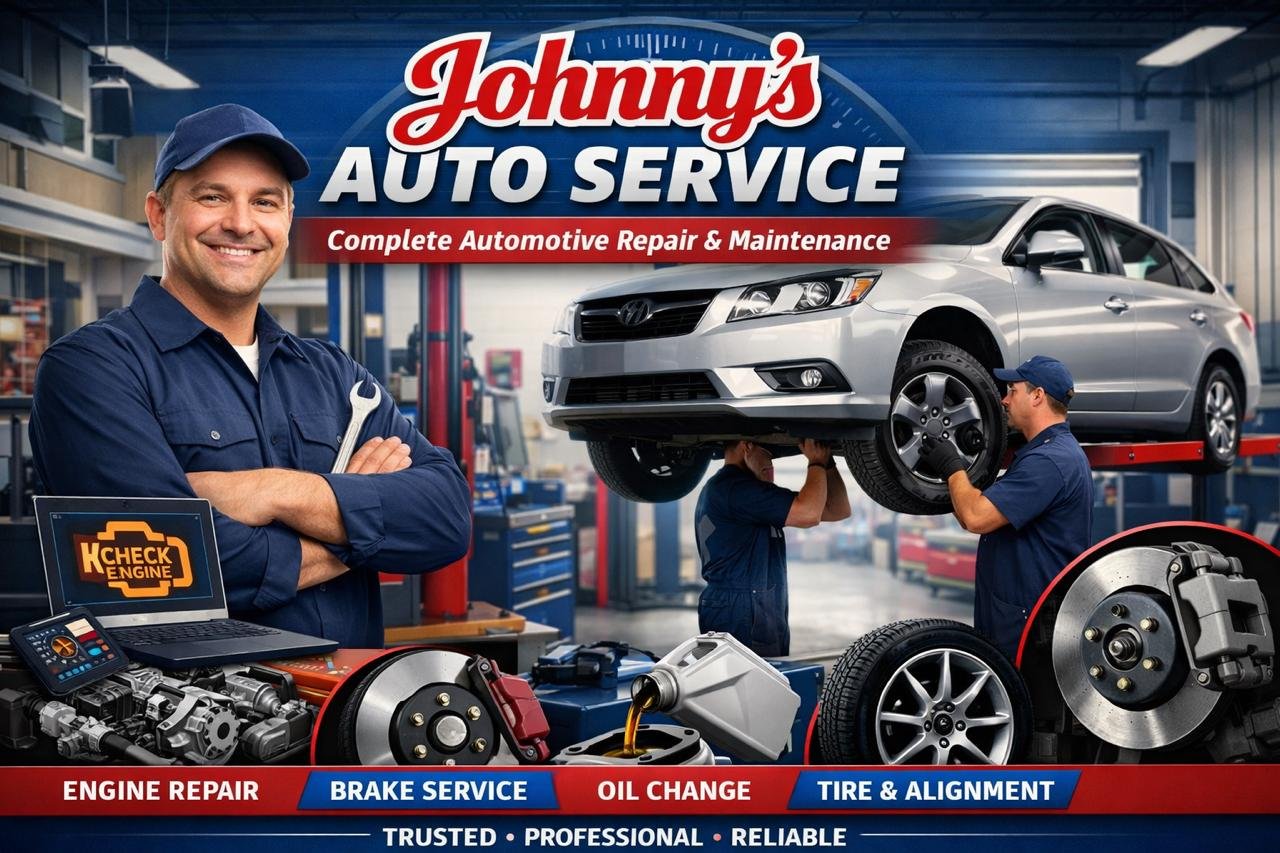
In today’s fast-paced world, owning a vehicle is not just a convenience—it is a necessity. From daily commutes to long-distance travel, your vehicle must perform reliably under all conditions. This is where Johnny’s Auto Service stands out as a trusted name in professional automotive repair and maintenance. With a strong commitment to quality, integrity, and customer satisfaction, Johnny’s Auto Service has built a reputation for delivering dependable solutions that keep vehicles running safely and efficiently.
Unlike generic repair shops, Johnny’s Auto Service focuses on precision diagnostics, transparent service processes, and long-term vehicle care. Whether it’s a routine oil change or a complex engine repair, customers can rely on expert workmanship backed by experience and industry best practices.
A Legacy of Trust and Professional Automotive Care
One of the defining characteristics of Johnny’s Auto Service is its dedication to honest, customer-focused service. Trust is earned through consistent performance, and this auto service provider has demonstrated reliability across all levels of vehicle maintenance and repair.
Every vehicle is treated with the same attention to detail, regardless of make or model. This philosophy has helped Johnny’s Auto Service establish long-term relationships with customers who return year after year for dependable automotive care.
Comprehensive Automotive Services Under One Roof
1. Complete Auto Repair Solutions
Johnny’s Auto Service offers a full range of auto repair services designed to address mechanical, electrical, and performance-related issues. Using advanced diagnostic tools and proven repair techniques, technicians quickly identify problems and implement effective solutions.
Key repair services include:
- Engine diagnostics and repair
- Transmission service and repair
- Brake system inspection and replacement
- Steering and suspension repairs
- Electrical system troubleshooting
Each repair is performed following manufacturer guidelines to ensure optimal performance and safety.
2. Preventive Maintenance Services
Preventive maintenance is critical to extending the life of your vehicle. Johnny’s Auto Service emphasizes routine maintenance to help customers avoid costly repairs and unexpected breakdowns.
Preventive services include:
- Oil and filter changes
- Fluid inspections and replacements
- Belt and hose inspections
- Battery testing and replacement
- Tire rotation and alignment checks
Regular maintenance at Johnny’s Auto Service ensures peak efficiency, improved fuel economy, and reduced wear on critical components.
3. Brake and Safety System Expertise
Your vehicle’s braking system is essential to road safety. Johnny’s Auto Service specializes in comprehensive brake services, ensuring every component functions correctly.
Brake services include:
- Brake pad and rotor replacement
- Brake fluid exchange
- Anti-lock braking system diagnostics
- Noise and vibration correction
By prioritizing safety, Johnny’s Auto Service helps protect drivers, passengers, and other road users.
4. Engine Performance and Diagnostics
Modern vehicles rely heavily on computerized systems. Johnny’s Auto Service uses state-of-the-art diagnostic equipment to analyze engine performance accurately.
Services include:
- Check engine light diagnostics
- Fuel system cleaning
- Emissions system inspection
- Engine tuning and optimization
Accurate diagnostics minimize guesswork and ensure precise repairs that restore engine performance efficiently.
Highly Skilled Technicians and Advanced Technology
The backbone of Johnny’s Auto Service is its team of experienced and highly trained automotive technicians. Their technical expertise spans domestic and foreign vehicles, ensuring comprehensive service coverage.
Technicians stay updated with evolving automotive technologies, enabling Johnny’s Auto Service to service modern vehicles equipped with advanced electronics and hybrid systems. This commitment to continuous learning ensures accuracy, efficiency, and reliability in every repair.
Customer-Centric Service Philosophy
Transparent Communication
At Johnny’s Auto Service, customers are informed at every stage of the repair process. Clear explanations, honest assessments, and upfront estimates eliminate uncertainty and build trust.
Fair Pricing and Value
Quality automotive care should be accessible. Johnny’s Auto Service balances premium workmanship with competitive pricing, delivering excellent value without compromising standards.
Timely Service Delivery
Time matters. The team at Johnny’s Auto Service works efficiently to minimize downtime while maintaining high repair quality.
Commitment to Quality and Reliability
Every service at Johnny’s Auto Service is guided by strict quality control measures. From diagnostic accuracy to final inspections, each step is carefully monitored to ensure superior outcomes.
The focus on long-term reliability ensures that repairs are not just temporary fixes but lasting solutions that enhance vehicle performance and durability.
Serving All Makes and Models
Johnny’s Auto Service services a wide range of vehicles, including:
- Sedans and compact cars
- SUVs and crossovers
- Pickup trucks
- Luxury vehicles
- Fleet and commercial vehicles
This versatility makes Johnny’s Auto Service a one-stop solution for diverse automotive needs.
Why Choose Johnny’s Auto Service?
Choosing the right auto repair shop can be challenging. Here’s why Johnny’s Auto Service stands apart:
- Experienced and certified technicians
- Comprehensive service offerings
- Advanced diagnostic technology
- Honest and transparent service approach
- Strong focus on customer satisfaction
These qualities make Johnny’s Auto Service a preferred choice for drivers seeking dependable automotive care.
Long-Term Vehicle Health and Performance
Routine service at Johnny’s Auto Service helps maintain optimal vehicle performance while reducing long-term repair costs. Preventive maintenance identifies potential issues early, ensuring smooth operation and peace of mind.
Professional Standards and Ethical Practices
Integrity is a core value at Johnny’s Auto Service. Every recommendation is based on actual vehicle needs rather than unnecessary upselling. This ethical approach reinforces customer confidence and long-term loyalty.
Future-Focused Automotive Solutions
As vehicle technology evolves, Johnny’s Auto Service continues to adapt by investing in tools, training, and modern service methodologies. This future-focused approach ensures readiness for emerging automotive trends and technologies.
Conclusion
Johnny’s Auto Service represents more than just an auto repair shop—it is a trusted partner in vehicle care. Through expert craftsmanship, transparent communication, and a customer-first philosophy, Johnny’s Auto Service consistently delivers reliable automotive solutions.
For drivers who value quality, honesty, and professional service, Johnny’s Auto Service remains a dependable choice for maintaining vehicle safety, performance, and longevity.
Blog
Auto Repair Milford NH: Trusted Automotive Care Backed by Experience, Integrity, and Community Commitment

Introduction
When it comes to dependable auto repair in Milford, NH, vehicle owners consistently look for more than just basic mechanical fixes. They seek trust, technical excellence, transparent pricing, and a service provider who values long-term relationships over short-term transactions. In a region where vehicles play a vital role in daily commuting, family responsibilities, and business operations, choosing the right auto repair shop is a critical decision.
Gurney’s Automotive stands as a respected name in the New Hampshire automotive service landscape, particularly for residents searching for professional auto repair Milford NH solutions. As a family-owned business with decades of experience, the shop has built a reputation rooted in honesty, reliability, and superior workmanship. Since its establishment in 1985, Gurney’s Automotive has consistently delivered high-quality automotive repairs while maintaining a strong connection to the local community.
This article provides a comprehensive overview of professional auto repair services in Milford, NH, with a detailed focus on what sets Gurney’s Automotive apart. From advanced diagnostics and ASE-certified technicians to customer-first service values and long-term warranties, this guide explores why local drivers continue to rely on trusted automotive professionals.
The Importance of Professional Auto Repair in Milford, NH
Milford, New Hampshire, experiences a wide range of driving conditions throughout the year. From icy winter roads to humid summer heat, vehicles in this region are subject to constant environmental stress. Regular maintenance and timely repairs are essential not only for performance but also for safety and longevity.
Professional auto repair Milford NH services help drivers address issues before they escalate into costly breakdowns. Qualified automotive technicians understand how local weather patterns, road conditions, and driving habits affect vehicles differently than in other regions. This localized knowledge is invaluable when diagnosing problems and recommending appropriate solutions.
Choosing a reputable repair facility ensures:
- Accurate diagnostics using modern equipment
- Manufacturer-recommended repair procedures
- Quality replacement parts
- Compliance with New Hampshire state inspection standards
- Long-term reliability and vehicle safety
Gurney’s Automotive has structured its service model to meet these exact needs, offering Milford residents a dependable solution for comprehensive auto care.
A Family-Owned Auto Repair Business Built on Trust
One of the defining characteristics of Gurney’s Automotive is its identity as a family-owned and operated auto repair shop. Family ownership often translates into deeper accountability, stronger customer relationships, and a long-term commitment to service excellence.
Since 1985, the business has upheld core values of honesty, integrity, and transparency. These principles guide every interaction—from initial vehicle inspections to final repair recommendations. Customers are informed clearly about the condition of their vehicles, the urgency of repairs, and the associated costs, allowing them to make confident and informed decisions.
In the competitive auto repair Milford NH market, trust is not built overnight. It is earned through consistent service quality, fair pricing, and genuine care for customers’ safety and satisfaction. Gurney’s Automotive’s longevity is a testament to its ability to deliver on these promises year after year.
Comprehensive Auto Repair Services in Milford, NH
Modern vehicles are complex systems that require specialized knowledge and tools to maintain properly. Gurney’s Automotive provides a full range of automotive services designed to meet the diverse needs of Milford drivers.
General Automotive Repairs
From minor fixes to major mechanical repairs, professional auto repair services cover a wide spectrum of issues, including:
- Engine diagnostics and repair
- Transmission service and maintenance
- Brake system inspection and repair
- Suspension and steering repairs
- Exhaust system service
Each repair is approached with precision and attention to detail, ensuring that vehicles return to the road operating safely and efficiently.
Preventive Maintenance Services
Preventive maintenance is one of the most cost-effective ways to extend vehicle lifespan and prevent unexpected failures. Regular maintenance services offered include:
- Oil and filter changes
- Fluid checks and replacements
- Belt and hose inspections
- Battery testing and replacement
- Tune-ups and performance checks
For those seeking reliable auto repair Milford NH, preventive care is essential in avoiding costly breakdowns and maintaining optimal vehicle performance.
Advanced Diagnostic Technology for Accurate Repairs
Modern vehicles rely heavily on computer-controlled systems. Diagnosing issues accurately requires advanced diagnostic tools and trained technicians who know how to interpret complex data.
Gurney’s Automotive utilizes state-of-the-art diagnostic technology to identify problems quickly and accurately. This approach minimizes guesswork, reduces repair time, and ensures that only necessary repairs are performed.
Advanced diagnostics are especially important for:
- Check engine light issues
- Electrical system faults
- Emissions-related problems
- Performance inconsistencies
By investing in modern technology, the shop reinforces its commitment to delivering precise and reliable auto repair Milford NH services.
ASE-Certified Technicians: A Mark of Professional Excellence
The quality of any auto repair service ultimately depends on the expertise of its technicians. Gurney’s Automotive employs ASE-certified technicians, a designation that reflects rigorous testing and ongoing education in automotive repair standards.
ASE certification ensures that technicians possess:
- Up-to-date knowledge of vehicle systems
- Proven diagnostic and repair skills
- Commitment to professional development
- Adherence to industry best practices
For Milford drivers, this certification provides peace of mind, knowing their vehicles are in the hands of qualified professionals who understand the complexities of modern automotive engineering.
Tire Sales and Services for All Driving Conditions
Tires play a critical role in vehicle safety, handling, and fuel efficiency. Choosing the right tires and maintaining them properly is especially important in New Hampshire’s changing weather conditions.
Professional tire services include:
- Tire sales from reputable brands
- Tire mounting and balancing
- Tire rotation and alignment checks
- Seasonal tire changeovers
Reliable auto repair Milford NH providers understand local driving demands and help customers select tires suited for both winter and summer conditions. Proper tire care improves traction, reduces wear, and enhances overall driving comfort.
New Hampshire State Inspections and Compliance
All registered vehicles in New Hampshire must undergo periodic state inspections to ensure compliance with safety and emissions standards. These inspections help keep roads safe and vehicles operating within legal requirements.
A professional auto repair shop provides:
- Certified state inspection services
- Transparent explanations of inspection results
- Necessary repairs to meet compliance standards
Gurney’s Automotive performs state inspections with integrity, ensuring vehicles meet regulations while avoiding unnecessary repairs. This balanced approach supports both safety and customer trust.
Warranty Protection That Reflects Confidence in Quality
One of the strongest indicators of a repair shop’s confidence in its workmanship is the warranty it offers. Gurney’s Automotive provides a 2-year/24,000-mile warranty on qualifying repairs.
This warranty reflects:
- High-quality parts usage
- Skilled repair execution
- Commitment to long-term customer satisfaction
For anyone seeking dependable auto repair Milford NH, warranty protection adds significant value and peace of mind, ensuring repairs are backed by accountability and professionalism.
Customer-Centered Service Philosophy
Exceptional customer service is more than courteous communication—it involves listening, transparency, and respect for customers’ time and budgets. Gurney’s Automotive has built its reputation on delivering a positive customer experience at every stage of the repair process.
Key aspects of its service philosophy include:
- Clear explanations without technical jargon
- Honest recommendations based on vehicle needs
- Fair and competitive pricing
- Timely repairs and accurate estimates
This customer-first approach has made the shop a trusted choice for families and individuals throughout Milford and surrounding communities.
Serving the Milford and Greater New Hampshire Community
Local auto repair businesses play an important role in supporting their communities. As a locally operated shop, Gurney’s Automotive understands the needs and expectations of New Hampshire drivers.
By focusing on auto repair Milford NH, the business strengthens community relationships, supports local employment, and contributes to regional economic stability. Customers are not treated as numbers, but as neighbors whose safety and satisfaction matter.
This local focus distinguishes family-owned shops from large, impersonal chains and reinforces long-term loyalty among customers.
Why Local Drivers Choose Gurney’s Automotive for Auto Repair Milford NH
Several key factors consistently influence why Milford residents rely on this trusted auto repair provider:
- Decades of proven experience since 1985
- Family-owned values centered on honesty and integrity
- ASE-certified technicians and modern equipment
- Comprehensive services under one roof
- Strong warranty protection
- Commitment to customer education and transparency
These qualities align with what discerning vehicle owners expect when searching for professional auto repair Milford NH services.
The Long-Term Value of Choosing the Right Auto Repair Shop
Selecting a reliable auto repair provider is an investment in your vehicle’s longevity, safety, and performance. While short-term fixes may appear cost-effective, they often lead to recurring issues and higher expenses over time.
Professional auto repair services emphasize:
- Correct diagnostics the first time
- Preventive maintenance strategies
- Quality workmanship and parts
- Long-term reliability
By choosing a trusted shop, Milford drivers protect their vehicles and reduce overall ownership costs.
Conclusion: A Trusted Name in Auto Repair Milford NH
For drivers seeking dependable, high-quality auto repair Milford NH, Gurney’s Automotive represents a benchmark of excellence. With a foundation built on family values, technical expertise, and community commitment, the shop continues to set high standards for automotive care in New Hampshire.
From routine maintenance and tire services to advanced diagnostics and state inspections, every service is delivered with professionalism and integrity. Backed by experienced ASE-certified technicians and a strong warranty, Gurney’s Automotive offers Milford residents a reliable partner for all their automotive needs.
Choosing the right auto repair shop is about more than fixing a vehicle—it is about trust, safety, and long-term peace of mind. In Milford, NH, that trust is earned through decades of consistent, customer-focused service.

In the digital world, unfamiliar words often appear and instantly spark curiosity. One such term is wachappe. At first glance, it feels close to something familiar yet clearly different, which makes people stop, read it again, and search for its meaning. In this detailed article, we will explore wachappe in depth, looking at its possible meaning, why people search for it, and how such terms gain relevance in modern online culture.
Understanding the Term Wachappe
Wachappe is not a standard English word found in dictionaries. This alone makes it interesting. It appears to be either a coined term, a variation of an existing word, or a digital nickname created for a specific purpose. Words like wachappe often gain meaning through use rather than definition.
Why Wachappe Feels Familiar
One reason wachappe attracts attention is its resemblance to commonly known digital terms. This familiarity creates an instant connection, while the altered spelling keeps it unique. This balance between recognition and originality is powerful in online spaces.
Possible Origins of Wachappe
Wachappe may be inspired by modern communication platforms or informal digital language. Internet users frequently modify spellings to create usernames, brand names, or project titles that feel familiar but remain original and searchable.
Wachappe as a Digital Identity
In today’s online environment, a word can become an identity. Wachappe could function as a username, app name, website title, or digital brand. Because it has no fixed definition, it allows complete freedom in shaping its purpose and image.
Why People Search for Wachappe
People usually search for wachappe out of curiosity. Seeing it in a message, app, website, or online discussion naturally triggers questions. This curiosity-driven behavior is one of the strongest forces behind online searches.
SEO Value of a Keyword Like Wachappe
From an SEO perspective, wachappe is a low-competition keyword. Unique or uncommon words are easier to rank for in search engines, making them attractive for niche websites, experimental content, or new digital projects.
Wachappe in Branding and Naming
Branding thrives on memorability, and wachappe offers exactly that. A name that sounds familiar yet looks unique can quickly stick in the mind. Once associated with a product or service, wachappe can develop strong brand recognition.
Psychological Impact of Unusual Spellings
Unusual spellings like wachappe activate curiosity and attention. When users encounter such words, they pause and try to decode them. This mental engagement increases memorability and user interest.
Wachappe and Internet Culture
Internet culture celebrates creativity and experimentation. Modified words, playful spellings, and abstract terms often gain popularity simply because they feel fresh. Wachappe fits naturally into this culture of digital innovation.
Could Wachappe Have a Hidden Meaning
Sometimes, invented terms carry symbolic meaning chosen by their creator. Wachappe could represent communication, connection, or innovation depending on how it is used. Its meaning can evolve with context.
Use of Wachappe in Creative Projects
Creative professionals often prefer unique words that leave room for interpretation. Wachappe could be used in storytelling, branding, digital art, or software projects as a flexible and imaginative label.
Wachappe as a Placeholder Term
In development and design environments, distinctive words are often used as placeholders. Wachappe could serve this purpose, helping creators avoid confusion with common terms during testing phases.
How Wachappe Gains Meaning Over Time
Meaning is built through association. As wachappe is used repeatedly in a specific context, people begin to connect it with a particular idea, service, or community. Over time, the word gains identity.
Flexibility of the Term Wachappe
One of wachappe’s strengths is flexibility. It can adapt to various industries such as technology, media, communication, or entertainment without being restricted by existing definitions.
Challenges of Using Wachappe
While originality is valuable, it also requires explanation. Users may initially misunderstand or mispronounce wachappe. Clear messaging and consistent branding help overcome this challenge.
Wachappe in a Competitive Digital Space
Standing out online is difficult, but wachappe naturally attracts attention. Its distinct spelling helps it stand apart from generic terms, making it easier to remember in crowded digital environments.
Why Unique Words Like Wachappe Matter
Unique words reflect modern digital creativity. They allow individuals and brands to define their own meaning rather than inherit one. Wachappe represents this shift toward originality and self-defined identity.
Future Potential of Wachappe
As digital platforms continue to grow, unique terms will become even more valuable. Wachappe has the potential to evolve into a recognizable brand or concept if used consistently and strategically.
Conclusion
Wachappe may not yet have a dictionary definition, but it holds value through curiosity, familiarity, and originality. It reflects how modern language evolves online, shaped by creativity and user behavior. Whether used for branding, digital identity, or experimentation, wachappe shows how even a simple invented word can gain meaning and relevance in today’s connected world.
FAQs
What is wachappe?
Wachappe is a unique, non-standard term often associated with digital identity or online curiosity.
Is wachappe an English word?
No, it is not a traditional English word and appears to be a coined or modified term.
Why does wachappe sound familiar?
Its structure resembles common digital terms, creating a sense of familiarity while remaining unique.
Is wachappe good for SEO?
Yes, uncommon keywords like wachappe face little competition and can rank more easily.
Can wachappe be used as a brand name?
Yes, its originality and memorability make it suitable for branding or creative projects.
-
 General3 months ago
Adonismale: The Ultimate Guide to the Modern Male Aesthetic
-
 Entertainment3 months ago
Kirby Dedo: Meaning, Meme & Finger Puppet Trend
-
 Blog3 months ago
Candizi: Sweet Innovation for Modern Living
-
 Health3 months ago
Health Threetrees Com VN: Your Online Health Guide
-
 Health3 months ago
Insoya: Next-Gen Soy Protein for Health & Sustainability
-
 Tech3 months ago
ComicsArmy: Your Complete Guide to Free Comics & Safe Reading
-
 Business & Finance3 months ago
Awius: Earned-Wage Access, Uses & Benefits
-
 Entertainment3 months ago
Echostreamhub — Stream Smarter